Understanding Alpha-Lipoic Acid
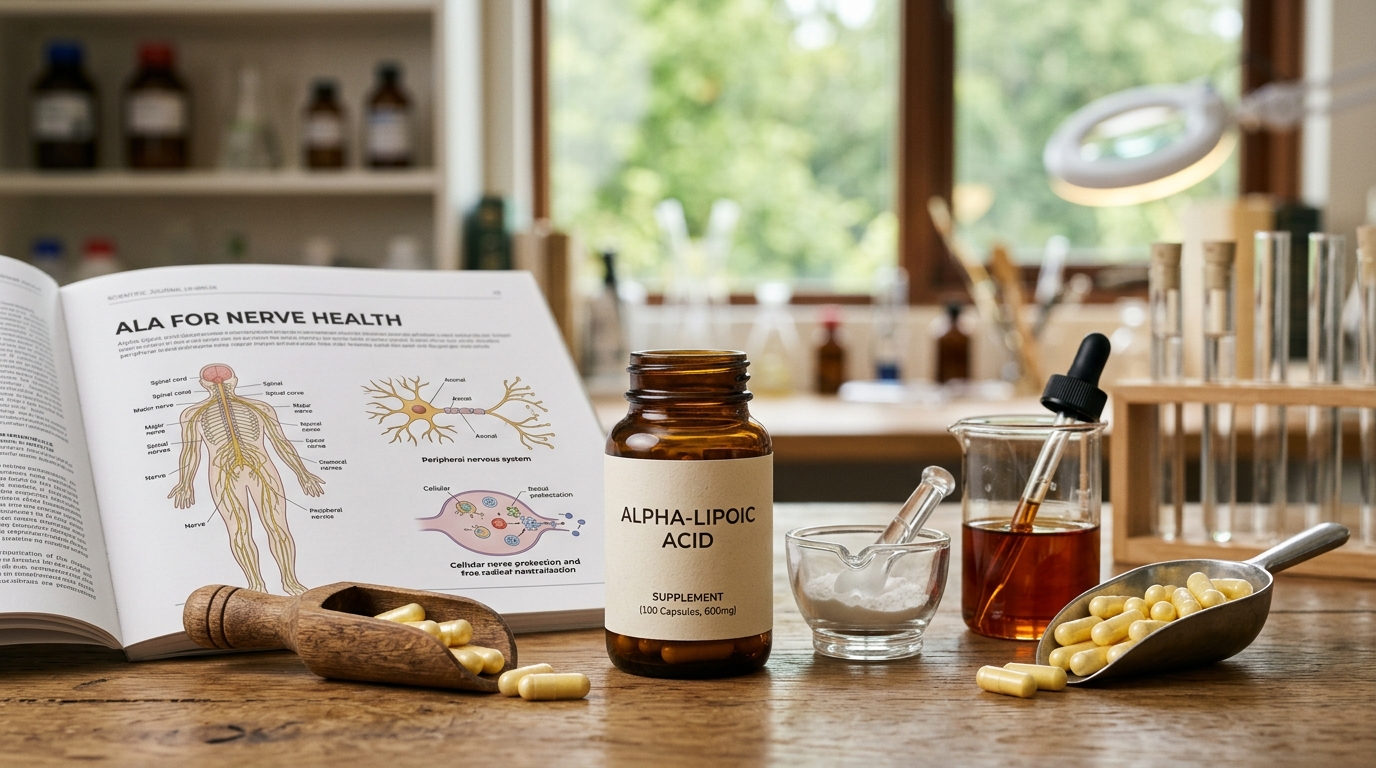
Alpha-lipoic acid (ALA) is a naturally occurring compound that functions as a powerful antioxidant in the body. Unlike most antioxidants, ALA is both fat and water-soluble, allowing it to penetrate all cell membranes and protect neural tissue.
Mechanisms of Nerve Protection
ALA reduces oxidative stress by neutralizing free radicals that damage nerve cells. It also helps regenerate other antioxidants like vitamin C and E, amplifying protective effects.
Alpha-lipoic acid's unique ability to cross the blood-brain barrier makes it particularly valuable for central nervous system protection.
Sources of Alpha-Lipoic Acid
Natural food sources include:
- Red meat
- Organ meats (liver, kidneys)
- Spinach
- Broccoli
- Brussels sprouts
- Peas
- Tomatoes
While dietary sources provide some ALA, supplementation may be necessary to achieve therapeutic levels for neurological support.
Research and Applications
Studies suggest ALA supplementation may benefit individuals with diabetic peripheral neuropathy, potentially reducing pain and improving nerve function. It may also support cognitive health and help maintain steady blood sugar levels.
Supplementation Guidelines
Typical supplementation ranges from 300-600 mg daily, though higher doses have been studied for specific conditions. ALA works best when taken on an empty stomach, and it may interact with certain medications or supplements.
Consulting with a healthcare provider can help determine appropriate supplementation for your individual health goals and current medical status.