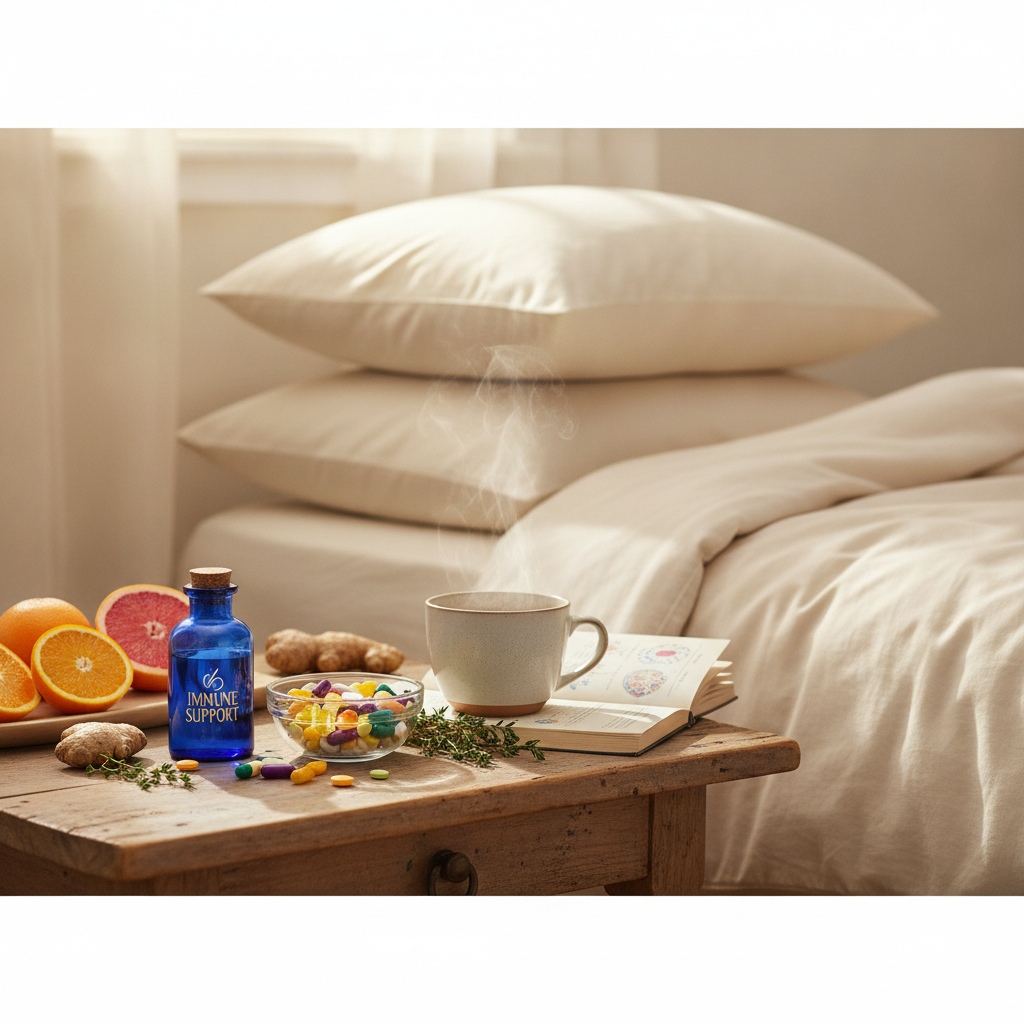
Your immune system actively works during sleep. T cell production, antibody formation, and immune memory consolidation all occur more efficiently during rest. Sleep deprivation cripples immune function.
What Happens During Sleep
While you sleep, your immune system shifts into a consolidation mode. T cells (which fight infection) increase in number and function. Inflammatory molecules that help fight infection increase. Immune memory—your system's ability to recognize and respond to specific pathogens—strengthens.
This isn't passive rest. It's active immune work requiring full sleep cycles.
Sleep Deprivation and Infection Risk
People sleeping five hours versus nine hours show 50% greater infection susceptibility when exposed to a virus. The virus replicates more effectively in sleep-deprived individuals.
Vaccine effectiveness is reduced by 40-50% in sleep-deprived individuals. Sleep before vaccination is critical for building immunity.
The Inflammatory Response
Sleep deprivation increases inflammatory markers in your blood. Your immune system becomes simultaneously less able to fight specific pathogens and more prone to harmful inflammation.
This creates a lose-lose scenario: worse infection fighting, worse inflammatory response.
Specific Sleep Stage Effects
Stage 3 (Deep sleep): Growth hormone peaks. Physical recovery occurs. Immune cell production increases. REM sleep: Consolidates immune memory. Helps your body "remember" previous pathogen encounters.
Both are essential. Fragmented sleep prevents full deep and REM progression, disrupting immune function.
Recovery from Illness
When fighting an infection, sleep needs increase. Your body signals increased sleepiness to maximize immune function. Fighting this impulse (staying busy while sick) prolongs illness and increases complications.
Sleep during illness is not laziness—it's essential recovery.
Pre-Exposure Sleep Optimization
Before travel, medical procedures, or high-infection-risk situations, prioritize sleep. One week of optimal sleep (8-9 hours nightly) significantly enhances immune preparedness.
The Vaccination Timing
Schedule vaccinations when you're well-rested. Sleep well the night of vaccination and several nights following. This maximizes immune response and antibody formation.
Shift Work and Immunity
Shift workers show increased infection rates due to circadian rhythm disruption and fragmented sleep. Those with chronic shift work show accelerated immune aging.
If you work shifts: prioritize sleep consistency (same sleep and wake times on your schedule, regardless of clock time) and protect sleep from disruption.
Integration with Other Practices
Adequate sleep combines with nutrition, stress management, and exercise for optimal immunity. No amount of supplements substitutes for adequate sleep.
The Timeline
Increasing from 6 to 8 hours nightly: Infection susceptibility decreases within one week. Vaccination response improves within the same timeframe. Months of consistent sleep show cumulative immune strengthening.